If you’ve ever picked up a bag of aquatic feed that felt rock-hard in the dead of winter, or mushy and leaking a little in the middle of summer, you might’ve wondered what’s going on behind the scenes. As someone who’s been supplying aquatic feed composite bags for over a decade, I get way too many questions from fish farmers, feed mill managers, and even warehouse folks asking how temp messes with these bags. It’s not just about “heat makes plastic melt” — there’s a ton of small, often overlooked details that turn temperature into one of the biggest, most underestimated factors in bag performance. Let’s break it down straight, no boring jargon, just stuff I’ve actually seen in our factory and from clients across the country. Aquatic Feed Composite Bags
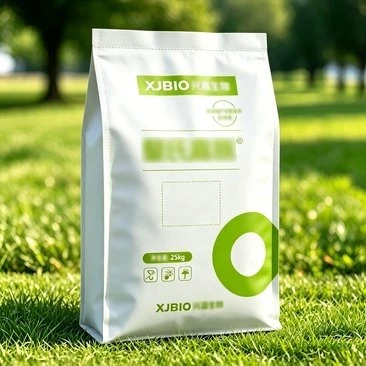
First off, let’s start with the basics: what are aquatic feed composite bags, anyway? They’re not your regular grocery bag. Most are layered — usually a tough paper layer, a woven polypropylene middle, and a heat-sealed inner liner that keeps feed moisture in and bugs or mold out. Aquatic feed itself is super specific: it’s got way more fat and protein than land animal feed, and it absorbs moisture like crazy if there’s a gap. So these bags aren’t just packaging — they’re a first line of defense against ruined feed, which equals lost money for farmers. And temperature? It screws with every single layer, from the way the plastic stretches to how the seal holds.
Let’s talk about low temps first, because this is where a lot of people go wrong. I’ve had feed mill clients in the northern states call me in January panicking because their incoming bags were splitting left and right. Why? Polypropylene (the main plastic in woven bags) is what’s called a “thermoplastic” — that means it gets brittle when it’s cold. Normal room temp, it’s stretchy enough to hold 50 pounds of feed, but drop it down to 30°F or lower? It loses almost all that flexibility. I once visited a farm in Minnesota where a pallet of bags got left in a unheated warehouse for three days; when they tried to move it, every third bag split along the seam, and half the feed spilled onto the wet floor. That’s not just a hassle — aquatic feed gets contaminated fast from dirt and water, so that entire pallet was useless.
Another big low-temp issue? Seal integrity. The inner liner is usually polyethylene, right? That heat seal that keeps moisture out doesn’t work the same when it’s cold. I’ve tested this in our lab: if you seal a liner at 70°F, it can hold 20 pounds of pull force before breaking, but at 25°F? That drops to less than 5 pounds. So even if the bag’s outer layer doesn’t split, the seal can crack open, letting moisture seep in. And aquatic feed that’s been sitting in a cold, unsealed bag? By the time it gets to the farm, it’s got mold growing on the surface, and fish won’t even touch it. I’ve had a customer in Wisconsin send back 12 pallets of feed because of exactly this — all because their warehouse was unheated, and they bought regular bags instead of cold-weather-rated ones.
Now flip that to high temps, which is where most people’s minds go first, but there’s way more to it than just “plastic melts.” First, fat migration. Aquatic feed has a ton of fish oil, vegetable oil, and other fats that get soft when it’s hot. If the bag’s inner liner isn’t a good barrier, those fats seep right through the plastic, leaving oily stains on the outside. Not only is that a mess for farmers storing feed in their barns, but it also means the feed is losing nutrients — fish need that fat for energy, especially in the summer when they’re growing fast. I once worked with a feed mill in Florida that kept their bags in a tin-sided warehouse; by mid-July, every bag had oil seepage, and their feed conversion ratio (how much feed it takes to make a pound of fish) went up 12%. That’s a huge hit for their bottom line.
Heat also weakens the seams, and not just the heat seal. The woven polypropylene layers expand when it’s hot, and the glue between the paper and plastic layers breaks down. I saw this at a trade show a few years back: a supplier set up a display with bags of aquatic feed, and by 90°F outside, the bottom seams of the bags started to come loose, spilling feed all over the floor. It was so embarrassing for them, and it cost them a ton of potential clients. Another thing about high temps? UV exposure, which is tied to temp too. Even if bags are stored inside, if a warehouse has big windows, direct sunlight (which brings heat) breaks down the plastic. Over weeks, that makes the bag brittle, and by the time a farmer uses it, it’s already splitting. I tell all our clients in sunny areas to pick bags with UV inhibitors — it makes a huge difference, and it’s way cheaper than replacing ruined feed.
Wait, there’s a middle ground most people miss too: fluctuating temperatures. Like, a warehouse that’s 50°F in the morning, 80°F in the afternoon, then back to 60°F at night. That’s a killer, because every time temp changes, the layers of the bag expand and contract at different rates. The outer polypropylene expands more than the paper, for example, so after a few weeks of this back-and-forth, the layers start to separate. I’ve seen bags where the paper was totally peeled away from the plastic in just a month, even if the average temp was moderate. That leads to moisture getting in, feed going bad, and bags splitting. A customer in Texas told me they used to get regular bags, and half their feed was ruined every summer because of this; when they switched to our temperature-stabilized composite bags, that number dropped to under 5%.
So how do we, as suppliers, account for all this? It’s not just making one bag and calling it a day. We test every batch in our lab with temperature chambers that can go from -40°F to 120°F, simulating every kind of storage and shipping condition. For cold-weather clients, we use a co-polypropylene blend that stays flexible down to -20°F, and we make sure the heat seals are reinforced with extra material so they don’t crack. For hot, sunny areas, we add UV inhibitors and a thicker inner liner that blocks fat and moisture. For clients who deal with big temp swings, we use a bonded layer between paper and plastic that can expand and contract without separating.
But here’s the thing: it’s not just on us as suppliers. Farmers and feed mill managers have a role to play too. If you’re storing bags in a unheated warehouse in the winter, even the best cold-weather bags won’t last. If you’re leaving them in direct sunlight all summer, even UV-treated bags will break down faster. I always tell clients to store bags in a cool, dry place — around 60-70°F is ideal — and stack them no higher than 10 pallets (any higher, and temp pressure from the weight makes seams split too). That’s a common mistake: people think if the bag is strong, they can stack it as high as they want, but temp adds extra stress on the seams.
I get it, though — small-scale fish farmers might not have a perfect climate-controlled warehouse. That’s why we make different bag options for different needs. We have a standard bag for moderate climates, a cold-climate bag for northern states, a hot-climate bag for the South, and even a budget-friendly option for farmers who ship short distances and can control their storage. No one-size-fits-all, and anyone who tells you different is full of it — I’ve seen way too many clients go for the cheapest bag and end up paying way more in ruined feed.
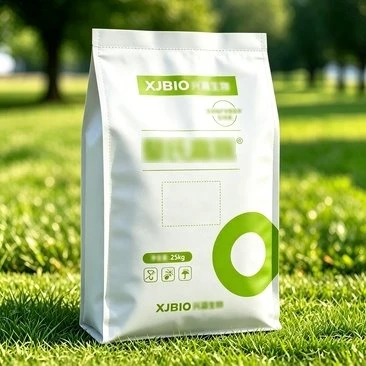
Let me wrap this up with a real example that sticks with me. A few years back, a small fish farm in Iowa reached out to me, panicking because they’d bought a bunch of cheap bags from a big online supplier. They’d stored them in a old barn that got down to 20°F in January, and when they opened the pallets in March, every other bag was split, and their fish feed was moldy. They lost almost $15,000 worth of feed before they found us. We worked with them to swap out their ruined bags, use our cold-weather composite bags, and gave them tips on insulating their barn storage. A year later, they emailed me saying they hadn’t had a single bag issue, and their feed conversion was way up. That’s the stuff that matters — not just selling a bag, but understanding how temp affects it, and matching the right bag to the right customer.
Aquatic Feed Bags If you’re a fish farmer, feed mill manager, or anyone who deals with aquatic feed packaging, don’t sleep on temperature. It’s not a trivial factor — it’s the difference between a pallet of usable feed and a pile of wasted product. If you’ve got questions about which bag works for your climate, or want to test our temperature-rated options, hit us up to talk through your needs. We’ve been doing this long enough to know exactly what works, and we’re here to make sure your feed stays safe, your fish grow, and your wallet stays happy.
References
- European Food and Feed Industry Federation (FEFAC). 2022. "Packaging Requirements for Aquatic Feed: Moisture and Temperature Effects." Brussels, Belgium.
- American Society of Agricultural and Biological Engineers (ASABE). 2021. "Effect of Ambient Temperature on Polypropylene Packaging for Bulk Agricultural Products." St. Joseph, MI.
- International Union of Food Science and Technology (IUFoST). 2020. "Barrier Properties of Composite Packaging Under Thermal Fluctuations." Dublin, Ireland.
- Aquaculture Nutrition Journal. 2019. "Fat Migration in Aquatic Feed and Its Relationship to Packaging Barrier Performance." Hoboken, NJ.
Zhejiang Xifeng Packaging Co., Ltd.
We are one of the most experienced aquatic feed composite bags manufacturers and suppliers in China. With a professional production team, we offer a wide range of products with superior quality. Please feel free to buy bulk aquatic feed composite bags at competitive price from our factory. We also accept customized orders.
Address: Xiaojiang Town, Pingyang County, Wenzhou City, Zhejiang Province, China
E-mail: zjxifeng@126.com
WebSite: https://www.xifengpackaging.com/
