Hey there, it’s Jake from the submersible pump team – been working with these bad boys for almost a decade now, and nothing trips me up faster than a client calling at 2 a.m. saying their pump’s blowing a fuse or smoking like a campfire. Overheating is the #1 silent killer of submersible pumps, right? Most people think, “It’s under water, so it can’t overheat” – but newsflash: that’s the opposite of true. If your pump’s dying early, 9 times out of 10, overheating’s the culprit. Let’s break down exactly how to fix this, no fancy engineering jargon, just real stuff I’ve seen in the field and tested with our gear. Submersible Pump
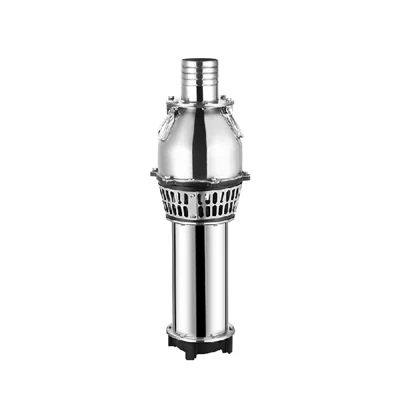
First off, let’s get why pumps overheating even happens – because it’s not the water’s fault. Submersible pumps cool themselves by being submerged, yeah, but they also rely on water flowing through their motor and windings to pull heat away. If that flow gets blocked, or the pump’s running in conditions it shouldn’t, that heat builds up way faster than it can escape. I’ve seen new pumps die in 3 days because someone dropped it in mud or gravel without prepping, which is crazy avoidable. Let’s start with the basics you can check today.
Number one, make sure it’s actually submerged properly. I can’t tell you how many times I’ve heard, “It’s under water, duh” from contractors who just tossed it in a well or sump pit. But submersible pumps can’t have their intakes or motors exposed – even for a second. If the water level drops below the pump’s body, there’s no water flowing through the motor jacket, and boom – heat spikes. I had a client last summer with a sump pump in a basement that flooded every time it rained; they noticed it was overheating, and turns out the drain line was clogged, so the pit only had 6 inches of water, but the pump was sitting on a 1-inch pedestal, half its motor sticking out. Fixed the pedestal, unclogged the line, and no more issues. Pro tip: check your pump’s specs before installing – some need 2 to 3 feet of submersion, others only 1 foot. Don’t guess, pull that manual (or hit our team up, we’ll send it over) and don’t skimp here.
Next, don’t block the intake. This is the second biggest mistake. Intake screens are there for a reason, but if they get clogged with sludge, leaves, gravel, or even just thick mud, water can’t get in – and that’s the water that cools the pump. I once did a service call on a commercial pond pump that was overheating so bad the plastic housing was melting. Crawled into the pond, pulled the pump out, and the intake screen was completely packed with algae and muck – like, I could barely fit a paper clip in the holes. The owner had been meaning to clean it for weeks, and that’s exactly what caused it. How often do you need to clean it? For sump pumps, every 3 to 6 months; for pond or well pumps, every 6 to 12 months, depending on how much debris is in the water. And make sure your screen is the right size – if it’s too small, it clogs fast; too big, and you risk rocks getting in and damaging the impeller, which leads to more overheating.
Speaking of impellers, that’s another spot I see issues. The impeller is the little spinning part that moves water, right? If it gets clogged with debris, or starts to wear out, it can’t move water as efficiently. Less water flow means less cooling, so the pump heats up. I had a residential well pump client whose pump started overheating every few months; turns out sand from their well was wearing down the impeller, making it spin slower. We upgraded them to a high-sand impeller design and added a pre-filter, and that fixed it. If your pump is running louder than usual, or the water output is weaker, that’s a sign your impeller’s acting up – don’t wait until it overheats and dies.
Now, what about size? This is a big one. So many people pick a pump that’s too big or too small for their job. If it’s too big, it cycles on and off way more than it should – every time it turns off, the motor cools a little, then heats back up when it turns on. That’s constant thermal stress, which wears out the windings and leads to overheating fast. If it’s too small, it’s working non-stop, running at max load, not getting enough flow to cool it. I can’t tell you how many times I’ve replaced pumps because someone tried to “save money” buying a cheaper, smaller pump for a job it wasn’t made for. For example, a ½ HP sump pump for a 1,000 sq ft basement is fine, but if you use that same ½ HP pump for a 2,000 sq ft basement with a wet basement floor, it’ll run all day, overheat, and die in 6 months. Always calculate your water flow needs – not just the square footage – and pick a pump that matches that. If you’re not sure, our team can help you size it for free, no pressure.
Another thing people sleep on is the power supply. Submersible pumps need consistent voltage, right? If the voltage is too low or too high, the motor has to work harder, which generates more heat. I’ve seen this a lot in older homes or on construction sites where there’s bad wiring. Last year, a construction crew was using our 2 HP pump to dewater a foundation, and it kept overheating. We checked the voltage at the site, and it was running at 90 volts instead of 120 – the long extension cord they were using was too thin and too long, causing voltage drop. Switched to a thicker 10-gauge cord, and the pump stopped overheating. Always use the right gauge cord – don’t use a random extension cord from the garage that’s too thin. And if you notice the lights dimming when the pump turns on, that’s a voltage issue – call an electrician to check your wiring before your pump burns out.
Now, what about when you’re not using the pump? A lot of people will leave their sump pump or well pump sitting in water all year, even if it’s not needed. Stagnant water can grow algae, sludge, and even small critters that get in and block the intake. Also, if you live in a cold climate, leaving the pump in water can cause freezing, which damages the motor and windings, leading to overheating when you use it again in the spring. I always tell clients: if you’re not using the pump for more than a couple weeks, pull it out, clean the intake and impeller, dry it off, and store it in a cool, dry place. That extra 10 minutes will save you hundreds in repairs or a new pump.
Wait, what about overloading? Not just size, but how much water you’re moving. If you’re pumping water higher than the pump’s maximum head, that’s a problem. Head is the vertical distance from the pump to the outlet, right? If you have a pump that’s rated for 20 feet of head, and you’re pumping it up 30 feet, the motor has to work way harder, generate more heat, and it’ll overheat. I had a client who put a well pump in a 50-foot deep well, and the pump was only rated for 40 feet of head. It ran for a month before overheating, ruined the motor. Always check the pump’s maximum head rating, and add a buffer – like, if you need to pump 25 feet, get a pump rated for 35 feet, not 25. That extra buffer takes the stress off the motor, keeps it cool.
Now, let’s talk about built-in protections, because a lot of new pumps have this, but people don’t use it or don’t know about it. Thermal overload switches – that’s the thing that turns the pump off when it gets too hot, right? But if you bypass that switch because you’re sick of it turning off, you’re just asking for the motor to burn up. I’ve seen that so many times. A client with a pond pump thought the switch was faulty, so they cut it out to keep the pump running. Three days later, the pump’s windings burned out, and they had to replace the whole thing. Don’t mess with those safety features – they’re there for a reason. If the switch is tripping, that’s a sign something’s wrong, not a nuisance.
And regular maintenance, which I know everyone hates, but it’s the cheapest way to keep your pump running. I do a quick check on every pump we sell: clean the intake, check the impeller, make sure the voltage is right, check for leaks. It takes 15 minutes, and it prevents 90% of overheating issues. For commercial pumps, we do quarterly maintenance checks, which is way cheaper than replacing a $1,000 pump every year. For residential, a check every 6 months is enough.
Wait, let’s address a myth I hear all the time: “If my pump is new, I don’t have to worry about overheating.” No way. I’ve had new pumps come back because they were installed wrong – half-submerged, intake blocked, wrong size. Last year, a customer bought our new ¾ HP sump pump, installed it in his basement, called me a week later saying it was overheating. Went over, saw he had it sitting on a cinder block so the discharge pipe was level, and the pump’s intake was sitting on the basement floor, covered in dust. No cleaning, no leveling, just dropped it in. Told him to move it to the bottom of the pit, clean the intake, and he was good. New pump, same problem, all because of bad installation.
Let’s wrap this up with a quick checklist you can go through right now if your pump is overheating: 1. Check submersion depth – is the pump fully under water, no motor exposed? 2. Clean the intake screen and impeller – pull it out, rinse off debris, make sure nothing’s blocking the holes. 3. Check the pump size and head – did you pick one that matches your job? 4. Check power supply – is the voltage consistent, using the right cord? 5. Don’t bypass thermal overload switches. 6. Clean and store it properly when not in use.
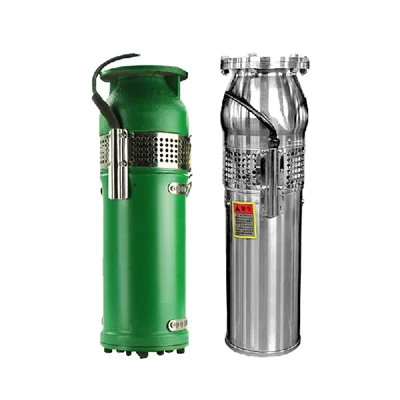
At the end of the day, overheating is 100% preventable. Most issues come from small, avoidable mistakes, not bad pump design. If you’re stuck, or not sure which pump is right for your needs, or need help troubleshooting your current overheating problem, our team is here to help. We’ve been working with submersible pumps for years, seen every trick in the book, and we’ll give you straight advice, no sales pressure, just what works. Just reach out, and we’ll walk you through it step by step.
Submersible Pump References:
- Submersible Pump Maintenance Guidelines. Hydraulic Institute, 2022.
- Residential Sump Pump Overheating Causes & Solutions. International Association of Home Inspectors, 2021.
- Submersible Pump Thermal Protection Best Practices. Pump Industry Magazine, 2023.
- Impeller Clogging & Wear in Small Submersible Pumps. Journal of Water and Wastewater Equipment, 2020.
Longbiao Pump Industry Co., Ltd.
We are one of the most professional submersible pump manufacturers and suppliers in China, featured by quality products and low price. Please rest assured to buy discount submersible pump for sale here from our factory. We also accept customized orders.
Address: Unit 101, Building 11, Pan’ao Entrepreneurship Park, Daxi Town, Wenling City, Taizhou City, Zhejiang Province, P.R. China
E-mail: 1653746797@qq.com
WebSite: https://www.cnlongbiao.com/
