As a supplier of industrial equipment valve cores, I’ve gotten a ton of questions about the erosion – resistance properties of these small but super important components. So, I thought I’d sit down and write this blog to share what I know about it. Industrial Equipment Valve Core

First off, let’s talk about what erosion is in the context of valve cores. Erosion is basically the wearing away of the valve core’s surface due to the flow of fluid or gas. This fluid or gas can carry solid particles, like sand or dirt, or it can be highly corrosive. Over time, this constant abrasion and chemical attack can cause significant damage to the valve core, affecting its performance and lifespan.
One of the key factors that determine the erosion – resistance of a valve core is the material it’s made from. We use a variety of materials, each with its own set of pros and cons when it comes to erosion resistance.
Stainless steel is a popular choice. It’s tough, durable, and has good corrosion resistance. The chromium in stainless steel forms a passive oxide layer on the surface, which helps protect it from chemical attack. But it’s not unbeatable. In applications where there’s a high concentration of abrasive particles, stainless steel can still wear down. For example, in mining operations where the fluid flowing through the valves contains a lot of sand and rock particles, stainless steel valve cores might need to be replaced more frequently.
Another material we often use is ceramic. Ceramics are extremely hard and have excellent erosion – resistance properties. They can withstand high – velocity flows and the impact of abrasive particles much better than most metals. Ceramic valve cores are great for applications in the chemical and petrochemical industries, where the fluids are often highly corrosive and contain abrasive solids. However, ceramics are brittle. If the valve experiences a sudden shock or impact, the ceramic core could crack or break.
Tungsten carbide is also a top – notch material for erosion – resistant valve cores. It’s incredibly hard and wear – resistant. Tungsten carbide valve cores are commonly used in high – pressure and high – flow applications, like in oil and gas pipelines. They can handle the harsh conditions of these environments, including the high – speed flow of fluids with abrasive particles. But tungsten carbide is expensive, and machining it to the precise specifications required for valve cores can be a challenge.
The design of the valve core also plays a huge role in its erosion – resistance. A well – designed valve core will have smooth internal surfaces. When the fluid or gas flows through a valve with a smooth – surfaced core, there’s less turbulence. Turbulence can cause the abrasive particles to bounce around more, increasing the chances of erosion. We use advanced computer – aided design (CAD) software to create valve cores with optimized internal geometries that minimize turbulence and distribute the flow evenly.
The angle of the flow path in the valve core is another crucial design element. If the flow has to make sharp turns inside the valve, it can increase the erosion rate. That’s why we design our valve cores with gradual curves and bends to allow the fluid or gas to flow smoothly through the valve.
In addition to material and design, the operating conditions of the valve also affect its erosion – resistance. The pressure and temperature of the fluid or gas can have a big impact. High – pressure flows can increase the force with which abrasive particles hit the valve core, accelerating erosion. Extreme temperatures can also cause thermal expansion and contraction, which might weaken the material over time.
For example, in a steam power plant, the high – temperature and high – pressure steam flowing through the valves can pose a significant erosion threat. That’s why we offer customized valve cores that are specifically designed to withstand these extreme conditions. We can select materials and coatings that are better suited to high – temperature and high – pressure environments.
Coatings are another way we enhance the erosion – resistance of our valve cores. There are different types of coatings available, each with its own benefits. For instance, hard chrome plating can increase the surface hardness of the valve core, making it more resistant to abrasion. Ceramic coatings can provide an extra layer of protection against chemical attack and wear.
We’ve been in the business for a long time, and we’ve had the opportunity to work on a wide range of projects. From water treatment plants to food processing facilities, we’ve seen how different industries have unique requirements for their valve cores. In the food processing industry, for example, the valve cores need to be made from materials that are food – grade and easy to clean. At the same time, they still need to be erosion – resistant to handle the flow of various food products.
We’re constantly doing research and development to improve the erosion – resistance properties of our valve cores. We’re working on new materials, better coating technologies, and more advanced design concepts. We also collaborate with our customers to understand their specific needs and come up with the best solutions.
If you’re in the market for industrial equipment valve cores, you need to think about the erosion – resistance properties carefully. You don’t want to end up with a valve core that wears out quickly and causes costly downtime for your operations. Our team of experts is here to help you choose the right valve core for your application. We can analyze your operating conditions, recommend the best materials and designs, and provide you with high – quality valve cores that will last.
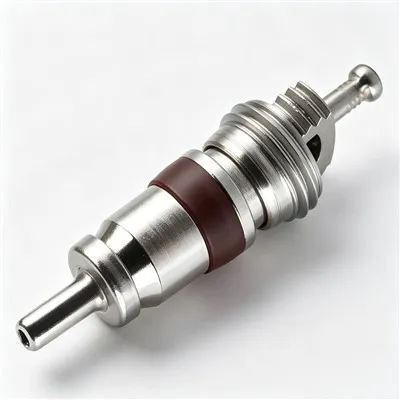
Whether you’re running a small manufacturing plant or a large – scale industrial facility, we’ve got the expertise and the products to meet your needs. If you’re interested in learning more about our industrial equipment valve cores and how they can resist erosion in your specific application, don’t hesitate to reach out. We’d love to have a chat with you and start a conversation about your valve core requirements. Feel free to contact us to discuss a potential purchase and find out how we can help you keep your operations running smoothly.
Valve Core References
- "Materials for Industrial Valves" by John Smith, published in Industrial Materials Journal
- "Valve Design and Erosion Control" by Jane Doe, Proceedings of the International Valve Conference
- "Coatings for Erosion – Resistant Components" by Mark Johnson, Surface Engineering Magazine
Tianjin TGE BIAM Graphene Technology Co., Ltd.
Tianjin TGE BIAM Graphene Technology Co., Ltd. is one of the most professional industrial equipment valve core manufacturers and suppliers in China, also supports customized service. Please feel free to buy bulk advanced industrial equipment valve core in stock here from our factory. For quotation, contact us now.
Address: No. 24 Sanjing Road, Dongli Development Zone, Tianjin City, China.
E-mail: sales@tge-tj.com
WebSite: https://www.tge-valve.com/
