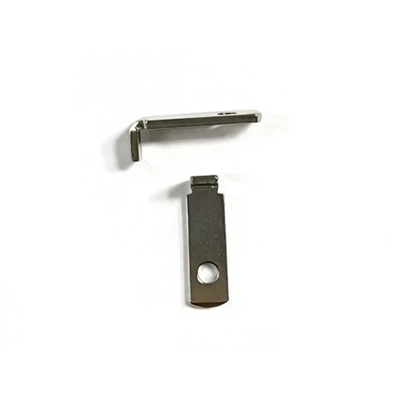
Voltage fluctuations are a common electrical issue that can pose significant risks to electrical appliances and devices. As a supplier of SA standard plug pins, I am often asked how our products deal with these voltage fluctuations. In this blog post, I will delve into the technical details of how SA standard plug pins are designed and engineered to mitigate the effects of voltage fluctuations, ensuring the safety and reliability of your electrical equipment. Sa Standard Plug Pin
Understanding Voltage Fluctuations
Before we explore how SA standard plug pins handle voltage fluctuations, it’s essential to understand what voltage fluctuations are and why they occur. Voltage fluctuations refer to the rapid and irregular changes in the electrical voltage supplied to a circuit. These fluctuations can be caused by various factors, including:
- Power Grid Issues: Problems in the power grid, such as overloading, short circuits, or lightning strikes, can cause sudden changes in the voltage supply.
- Industrial Equipment: Large industrial machines and equipment can draw significant amounts of power, leading to voltage drops or surges in the electrical system.
- Renewable Energy Sources: The intermittent nature of renewable energy sources, such as solar and wind power, can also cause voltage fluctuations in the grid.
Voltage fluctuations can have several negative effects on electrical appliances and devices. They can cause premature wear and tear, reduce the lifespan of equipment, and even lead to complete failure. In some cases, voltage fluctuations can also pose a safety hazard, such as the risk of electrical fires or electric shocks.
Design and Engineering of SA Standard Plug Pins
SA standard plug pins are designed and manufactured to meet strict safety and performance standards. These standards ensure that the plug pins can withstand a wide range of electrical conditions, including voltage fluctuations. Here are some of the key features and design elements that enable SA standard plug pins to handle voltage fluctuations effectively:
High – Quality Conductive Materials
SA standard plug pins are typically made from high – quality conductive materials, such as copper or brass. These materials have excellent electrical conductivity, which means they can efficiently transmit electrical current with minimal resistance. When voltage fluctuations occur, the low resistance of these conductive materials helps to prevent excessive heat generation, reducing the risk of damage to the plug pins and the connected electrical devices.
Robust Insulation
In addition to high – quality conductive materials, SA standard plug pins are equipped with robust insulation. The insulation material is designed to prevent electrical leakage and protect users from electric shocks. It also helps to maintain the integrity of the electrical connection, even in the presence of voltage fluctuations. The insulation is carefully selected and tested to ensure that it can withstand the electrical stresses associated with normal operation and voltage variations.
Precise Manufacturing Tolerances
SA standard plug pins are manufactured with precise tolerances. This means that the dimensions and shape of the plug pins are accurately controlled during the manufacturing process. Precise manufacturing tolerances ensure a secure and reliable connection between the plug and the socket. A loose connection can lead to arcing and overheating, especially during voltage fluctuations. By maintaining a tight and stable connection, SA standard plug pins reduce the risk of electrical problems caused by voltage variations.
Built – in Protective Mechanisms
In addition to the basic design features, some SA standard plug pins may incorporate built – in protective mechanisms to deal with voltage fluctuations. These mechanisms can provide an extra layer of protection for the connected electrical devices.
Fuses
One common protective mechanism is the use of fuses. A fuse is a safety device that contains a thin wire or strip of metal that melts when the electrical current exceeds a certain level. In the case of a voltage surge, the increased current can cause the fuse to blow, interrupting the electrical circuit and protecting the connected devices from damage. Fuses are often integrated into the plug pins or the associated electrical cords, providing a simple and effective way to safeguard against over – current situations caused by voltage fluctuations.
Surge Protectors
Another protective mechanism is the use of surge protectors. Surge protectors are devices that are designed to absorb and divert excess voltage from a power surge. They typically contain components such as metal – oxide varistors (MOVs) or gas discharge tubes that can rapidly change their electrical resistance in response to a sudden increase in voltage. When a voltage surge occurs, the surge protector redirects the excess voltage to the ground, preventing it from reaching the connected electrical devices. Some SA standard plug pins may be designed to work in conjunction with surge protectors, or they may have surge – protection capabilities built directly into the plug design.
Testing and Certification
To ensure the reliability and performance of SA standard plug pins in dealing with voltage fluctuations, they undergo rigorous testing and certification processes. These tests are designed to simulate real – world electrical conditions and verify that the plug pins can meet the required safety and performance standards.
Electrical Performance Testing
Electrical performance testing involves measuring various electrical parameters of the plug pins, such as resistance, voltage drop, and current – carrying capacity. These tests are conducted under different voltage and current conditions, including normal operating conditions and simulated voltage fluctuations. The results of these tests are used to ensure that the plug pins can effectively transmit electrical power and maintain stable performance in the presence of voltage variations.
Safety Testing
Safety testing is another crucial aspect of the certification process. Safety tests include checks for insulation resistance, dielectric strength, and grounding continuity. These tests are designed to ensure that the plug pins provide adequate protection against electrical hazards, such as electric shocks and short circuits, even during voltage fluctuations. Plug pins that pass these safety tests are typically certified by recognized standards organizations, indicating that they meet the required safety and performance criteria.
Importance of Using Quality SA Standard Plug Pins
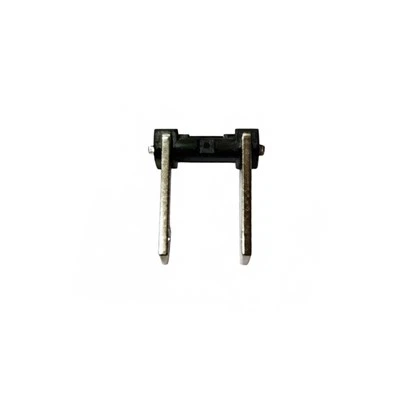
Using high – quality SA standard plug pins is essential for protecting your electrical appliances and devices from voltage fluctuations. Here are some of the key reasons why:
- Enhanced Safety: Quality plug pins with proper insulation and protective mechanisms reduce the risk of electrical fires, electric shocks, and other safety hazards associated with voltage fluctuations.
- Extended Equipment Lifespan: By providing a stable and reliable electrical connection, SA standard plug pins help to minimize the impact of voltage fluctuations on your electrical equipment. This can extend the lifespan of your appliances and reduce the need for costly repairs and replacements.
- Compliance with Standards: Using SA standard plug pins ensures that your electrical installations comply with relevant safety and performance standards. This is particularly important for commercial and industrial applications, where compliance is often a legal requirement.
Contact for Procurement
Kr Standard Plug Pin If you are in need of high – quality SA standard plug pins that can effectively deal with voltage fluctuations, I invite you to contact me for procurement discussions. Our products are designed and engineered to meet the highest standards of safety and performance, providing reliable protection for your electrical equipment. Whether you are a distributor, an electrical contractor, or an end – user, we can offer you the right plug pins to suit your specific needs.
References
- International Electrotechnical Commission (IEC) standards on electrical plugs and sockets.
- South African Bureau of Standards (SABS) specifications for SA standard plug pins.
- Technical literature on electrical safety and voltage protection from leading manufacturers of electrical components.
Dongguan Fangrun Metal Products Co., Ltd.
We’re well-known as one of the leading sa standard plug pin manufacturers in China, specialized in providing high quality customized products. Please feel free to buy discount sa standard plug pin made in China here from our factory. For quotation and free sample, contact us now.
Address: New Town Industrial Zone,Xiegang Village,Xie Gang Town,Dongguan City
E-mail: 825556703@qq.com
WebSite: https://www.fangrunpin.com/
