What is the market demand for aircraft hangars?
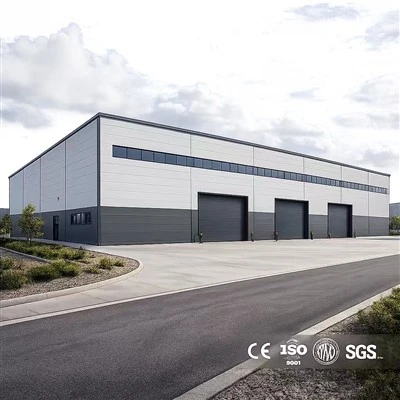
As a dedicated aircraft hangar supplier, I’ve witnessed firsthand the evolving landscape of the aviation industry and the corresponding market demand for aircraft hangars. In this blog, I’ll delve into the factors driving this demand, the different types of consumers, and provide insights into the future trends that we, as suppliers, need to be aware of. Aircraft Hangar
Factors Driving the Market Demand
Growth of the Aviation Industry
The global aviation industry has been expanding at a remarkable pace. Commercial airlines are constantly adding new routes and increasing their fleet sizes to meet the growing demand for air travel. According to the International Air Transport Association (IATA), the number of air passengers is expected to double in the next two decades. This growth directly translates into a need for more aircraft hangars to accommodate the additional planes for maintenance, storage, and protection.
For example, low – cost carriers have emerged as major players in the aviation market. They often operate large fleets of narrow – body aircraft and require efficient and cost – effective hangar solutions. These airlines need hangars that can be quickly built and easily modified to adapt to different aircraft types as their business models change.
Private Aviation Boom
Private aviation has also seen a significant uptick in recent years. High – net – worth individuals, corporations, and charter companies are increasingly investing in private jets for business travel, luxury vacations, and urgent transport needs. Private aircraft owners are highly focused on the safety and care of their valuable assets. An aircraft hangar provides protection from harsh weather conditions, such as hailstorms, heavy snow, and extreme heat, which can damage the aircraft’s exterior and internal components.
Moreover, private hangars offer a level of privacy and convenience that public facilities may not provide. Owners can access their aircraft at any time and have dedicated spaces for maintenance and customization. This growing segment of private aircraft owners is a major source of demand for high – quality, customized aircraft hangars.
Military Requirements
Military forces around the world have a continuous need for aircraft hangars. These hangars are used to house fighter jets, transport planes, helicopters, and unmanned aerial vehicles (UAVs). Military hangars need to meet strict security and operational standards. They often require advanced security systems, large – scale space for multiple aircraft, and facilities for specialized maintenance and repair work.
In addition, military modernization programs often involve the acquisition of new and more advanced aircraft. These new aircraft may have different size and storage requirements, leading to the construction of new hangars or the renovation of existing ones. For instance, the development of stealth aircraft requires hangars with special environmental controls to protect the sensitive coating of these planes.
Airport Expansion and Upgrades
Airports are continuously expanding and upgrading their facilities to improve passenger experience and handle larger volumes of traffic. This includes the construction of new hangars for commercial airlines, MRO (Maintenance, Repair, and Overhaul) providers, and general aviation users. Larger airports may have multiple hangars for different airlines, cargo carriers, and private aircraft operators.
As airports strive to be more competitive, they are also looking for innovative hangar designs that can optimize space utilization, reduce energy consumption, and improve operational efficiency. For example, some airports are investing in modular hangars that can be easily expanded or reconfigured as needed.
Types of Consumers and Their Specific Demands
Commercial Airlines
Commercial airlines are one of the largest consumers of aircraft hangars. They require large – scale hangars that can accommodate multiple aircraft simultaneously. These hangars need to be equipped with advanced maintenance facilities, such as hydraulic lifts, engine test stands, and avionics repair areas.
Airlines also need hangars that can operate efficiently to minimize aircraft downtime. Quick turnaround times for maintenance are crucial to ensure smooth flight schedules. In addition, commercial airlines often have specific branding and operational requirements for their hangars, such as dedicated office spaces for ground staff and signage.
Private Aircraft Owners
Private aircraft owners typically seek personalized hangar solutions. They may prefer hangars with a more aesthetically pleasing design, such as those that blend in with the surrounding environment or have a luxurious interior finish. Security is a top priority for private owners, and they may require features like access control systems, surveillance cameras, and 24/7 security personnel.
Some private owners also require hangars with additional amenities, such as lounges for passengers, storage for aviation equipment, and spaces for aircraft customization. For example, an owner of a high – end private jet may want a hangar with a dedicated area for customizing the interior of the plane.
MRO Providers
Maintenance, Repair, and Overhaul (MRO) providers are another important segment of the market. They need hangars that are specifically designed for their repair and maintenance operations. These hangars should have large open spaces for easy access to aircraft, as well as specialized equipment for tasks such as engine disassembly, wing repair, and fuselage maintenance.
MRO providers also require hangars with proper ventilation and waste management systems to ensure a safe and healthy working environment. They may need to access different areas of the hangar quickly, so efficient layout design is essential.
Military Organizations
Military organizations have unique and demanding requirements for aircraft hangars. Security is of utmost importance, and hangars are often located within secure military bases. They need to be designed to withstand various threats, including natural disasters and potential enemy attacks.
Military hangars also need to support the rapid deployment of aircraft. This means having features such as large – scale access doors, quick – release mooring systems, and efficient fueling and rearming facilities. In addition, they must be able to accommodate a wide range of military aircraft, from small UAVs to large transport planes.
Future Trends in the Market
Sustainability
The aviation industry is increasingly focusing on sustainability, and this trend is also influencing the demand for aircraft hangars. There is a growing need for hangars that are energy – efficient, use sustainable building materials, and have minimal environmental impact.
For example, some hangars are being designed with solar panels on the roof to generate electricity, and advanced insulation materials to reduce heating and cooling requirements. In addition, water – saving features such as rainwater harvesting systems are becoming more common.
Modular and Prefabricated Hangars
Modular and prefabricated hangars are gaining popularity due to their cost – effectiveness and quick construction time. These hangars can be designed and manufactured off – site and then assembled on location, significantly reducing the construction period.
Modular hangars also offer flexibility, as they can be easily expanded or reconfigured in the future. This is particularly useful for airlines and MRO providers that may need to adapt to changing business needs.
Technology Integration
The integration of technology into aircraft hangars is another emerging trend. Smart hangars are being developed with features such as automated aircraft storage systems, real – time monitoring of environmental conditions, and remote – controlled maintenance equipment.
For example, sensors can be installed in the hangar to monitor temperature, humidity, and air quality, ensuring optimal conditions for aircraft storage. In addition, automated guided vehicles (AGVs) can be used to move aircraft parts within the hangar, improving efficiency and reducing the risk of accidents.
Conclusion
The market demand for aircraft hangars is driven by the growth of the aviation industry, the rise of private aviation, military requirements, and airport expansion. Different types of consumers, including commercial airlines, private aircraft owners, MRO providers, and military organizations, have specific and diverse demands.
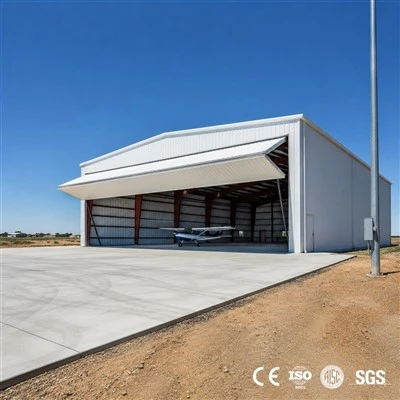
As an aircraft hangar supplier, it is essential to stay abreast of these trends and adapt to the changing needs of the market. By offering sustainable, modular, and technologically advanced hangar solutions, we can better serve our customers and meet the growing demand for high – quality aircraft hangars.
Steel Workshop Buildings If you are in the market for an aircraft hangar and are interested in discussing your specific requirements, I encourage you to reach out to us. We have a team of experts who can provide customized solutions tailored to your needs. Whether you are an airline looking for a large – scale maintenance hangar, a private aircraft owner in need of a luxurious and secure storage space, or an MRO provider seeking an efficient repair facility, we are here to help. Let’s start a conversation and find the perfect aircraft hangar solution for you.
References
- International Air Transport Association (IATA) reports on aviation industry growth.
- Industry research papers on aircraft hangar design and construction.
- Military publications on requirements for aircraft hangars.
Liaoning Zhongbei Steel Structure Engineering Co., Ltd.
Liaoning Zhongbei Steel Structure Engineering Co., Ltd. is one of the most professional aircraft hangar manufacturers and suppliers in China, also supports customized service. We warmly welcome you to buy advanced aircraft hangar made in China here from our factory. Also, quotation is available.
Address: No. 239 – 1, Shenbei West Road, Yuhong District, Shenyang, Liaoning.
E-mail: Info@cnssgroup.cn
WebSite: https://www.cnssprefabbuildings.com/
